
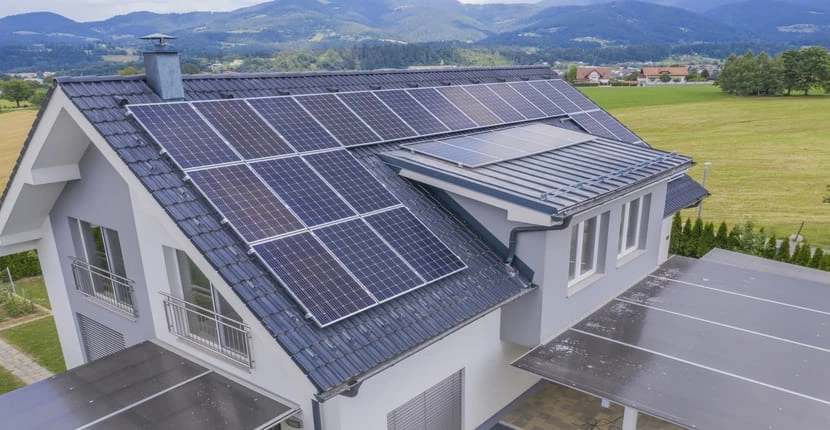
Solar Roofing in March
Contact us today for a free, personalised quote for expert solar roofing in the UK.At Commercial Roof, we provide solar roofing solutions in March and across the UK, helping businesses and homeowners reduce their energy costs while embracing sustainable roofing technologies.
Our expert team specialises in the design, installation, and maintenance of high-performance in March solar roofing systems, including solar panels, integrated PV tiles, and thin-film solar solutions.
Whether you’re looking to lower your electricity bills, increase energy efficiency, or achieve energy independence, we offer durable, cost-effective, and environmentally friendly solar roofing to suit your property’s needs in March.
Contact us today for a free, personalised quote for expert solar roofing in March.
What Are the Benefits of Solar Roofing in March?
Solar roofing generates clean, renewable energy in March, reducing reliance on fossil fuels and lowering electricity bills. Over time, solar roofing offers long-term cost savings in March by offsetting energy costs and providing potential tax incentives and rebates.
Homes and businesses with solar roofing systems in March also see increased property value, as energy-efficient buildings are more desirable in the real estate market. In addition to financial benefits, solar roofs contribute to reducing carbon emissions in March, improving air quality, and supporting sustainability efforts.
The durability and weather resistance in March of modern solar panels and tiles ensure long-term performance, and with battery storage options, property owners can achieve energy independence in March by storing excess power for use during grid outages.
What Types of Solar Roofing Are Available in March?
Solar roofing options include solar panels, solar roof tiles, thin-film solar roofing, and building-integrated photovoltaics (BIPV) in March.
These options in March help in the following way:
Solar panels (photovoltaic systems) in March – Mounted on existing roofs, efficient electricity generation.
Solar roof tiles (integrated PV systems) in March – Replace traditional roofing materials for a seamless look.
Thin-film solar roofing in March – Lightweight, flexible photovoltaic film for flat or curved roofs.
Building-integrated photovoltaics (BIPV) in March – Fully integrated into the building’s structure for both aesthetic and functional benefits.
What is the Solar Roofing Installation Process in March?
The solar roofing installation process starts with a comprehensive roof inspection in March to determine if the existing structure can support the solar system. Next, an energy assessment and system design in March are conducted to calculate energy requirements and optimise panel placement for maximum efficiency.
Roof preparation in March includes installing mounting systems and wiring to connect the panels or tiles. The solar components are then installed in March, whether as roof-mounted panels or integrated solar tiles. If battery storage is included, an inverter and storage system in March are connected to store excess energy for later use.
A final inspection and grid connection process in March ensure that the system meets UK energy regulations and is ready for activation.
How Much Does Solar Roofing Cost in March?
Traditional solar roofing panels cost between £5,000 and £12,000 in March for an average-sized residential roof, while integrated solar roof tiles in March can range from £15,000 to £30,000 depending on materials and system size.
Additional expenses may include battery storage systems, inverters, permits, and ongoing maintenance in March. While the initial investment is higher than standard roofing in March, solar roofs provide significant long-term savings through reduced energy bills, government incentives, and improved property value.
Contact Commercial Roof in March to get customised pricing for a solar roofing installation and maintenance job.
How Long Does a Solar Roof Last in March?
A solar roofing system can last between 25 and 40 years in March, with solar panels maintaining efficiency at over 80% even after 25 years.
Factors affecting longevity include panel efficiency, installation quality, weather conditions, and regular maintenance in March. To extend the lifespan of a solar roof, it’s essential to keep panels clean, monitor system performance, and schedule routine inspections in March to identify any issues early.
Do You Need a Permit for Solar Roofing in March?
Solar roofing is subject to UK building regulations and local zoning laws in March, requiring permits for certain installations.
In most cases, solar panels installed on existing roofs do not require planning permission, but integrated solar roofing, structural modifications, or large-scale commercial systems in March may require additional approvals.
At Commercial Roof in March, we handle the permit application process and ensure all installations meet legal requirements.
Contact us in March to get further details on the solar roofing installation and maintenance plan.
We cover March (Cambridgeshire)