
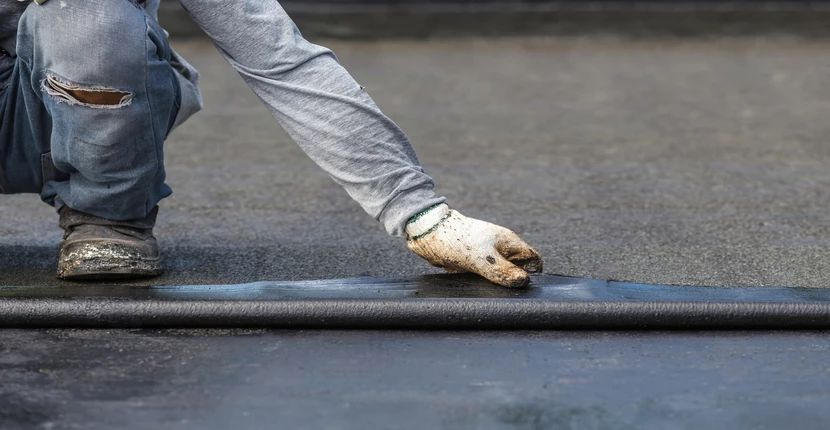
EPDM Roofing in March
Request a free quote from our team of EPDM roofing specialists todayAt Commercial Roof, we specialise in EPDM roofing solutions in March, offering high-quality, long-lasting, and low-maintenance roofing systems in March and across the UK.
EPDM (Ethylene Propylene Diene Monomer) in March is a flexible and durable rubber roofing membrane widely used for commercial and industrial buildings due to its exceptional weather resistance, waterproofing, and cost-effectiveness.
Our expert team in March provides professional installation, repair, and replacement services, ensuring your EPDM roof delivers maximum performance and longevity.
Request a free, tailored quote from our experts for your EPDM roof today.
What Are the Benefits of EPDM Roofing in March?
EPDM roofing provides exceptional durability and resistance to extreme weather conditions in March. The material is UV-resistant in March, preventing premature cracking and degradation from sun exposure.
EPDM’s seamless waterproofing in March ensures protection against leaks and ponding water, making it ideal for flat roofs. It is also energy-efficient in March, with optional reflective coatings that reduce heat absorption, improving building insulation and reducing energy costs.
Additionally, EPDM requires minimal maintenance in March, with fewer repairs needed compared to other roofing systems.
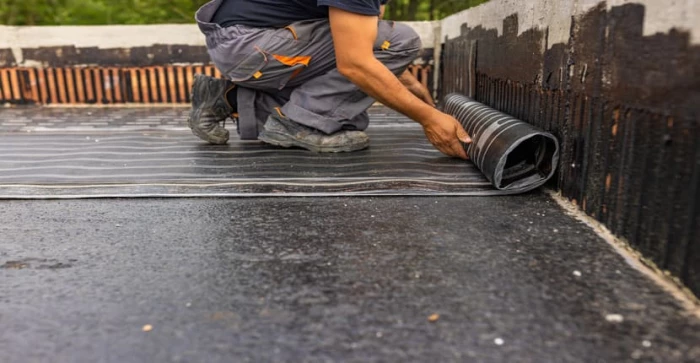
What is the EPDM Roofing Installation Process in March?
The EPDM roofing installation process begins with a roof inspection and surface preparation in March to assess structural integrity and insulation needs. The next step involves selecting the appropriate EPDM system in March, whether fully adhered, mechanically fastened, or ballasted.
The roof surface is then cleaned and primed in March to ensure optimal adhesion before the EPDM membrane is rolled out and secured. The seams are sealed with adhesive or heat-welded in March, and flashing is installed around roof penetrations to prevent leaks.
The final step includes a thorough inspection and quality assurance check in March to ensure compliance with industry standards and warranty requirements.
How Much Does EPDM Roofing Cost in March?
EPDM roofing costs range from £50 to £100 per m² in March, with prices varying based on membrane thickness, installation method, and insulation upgrades.
Fully adhered systems tend to be more expensive in March due to the use of adhesives and enhanced wind resistance, whereas ballasted systems are typically more affordable in March but require additional weight-bearing support.
Additional costs may include drainage improvements, protective coatings, or insulation upgrades in March, which can enhance energy efficiency and longevity.
Contact Commercial Roof in March to get customised pricing for an EPDM roofing job.
How Long Does EPDM Roofing Last in March?
EPDM roofing lasts 30–50 years in March, depending on membrane thickness, climate, maintenance, and exposure to UV and water.
Standard EPDM membranes are available in thicknesses of 45 mil, 60 mil, and 90 mil, with thicker options providing enhanced durability and weather resistance in March.
Factors that affect longevity include foot traffic, UV exposure, and the presence of ponding water in March. Adding reflective coatings or protective layers can further enhance the roof’s lifespan.
Do You Need a Permit for EPDM Roofing in March?
EPDM roofing installations require building permits for structural modifications in March, insulation upgrades, and energy-efficient roofing projects.
Local regulations ensure in March that the installation meets fire safety, waterproofing, and wind resistance standards.
At Commercial Roof, we manage all necessary permits in March and ensure compliance with UK building regulations, giving you peace of mind throughout the process.
Contact us in March to get further details on the EPDM roofing installation and maintenance plan.
We cover March (Cambridgeshire)